Search News
Industry Portal
Hot Articles
- Dynamic Positioning Systems: Failure Modes That Disrupt Offshore WorkDynamic positioning systems fail in ways that can halt drilling, lifting, and subsea work fast. Learn the key failure modes, warning signs, and recovery priorities for safer offshore uptime.
- Container Terminal Automation: AGV Bottlenecks That Hurt ThroughputContainer terminal automation can underperform when AGV dispatch, charging, and yard handoffs fall out of sync. Learn the hidden bottlenecks hurting throughput and how to fix them.
- Port Container Cranes: RTG or RMG for Yard Expansion Projects?Port container cranes: compare RTG vs RMG for yard expansion. Learn which option improves density, automation readiness, energy efficiency, and long-term terminal ROI.
Popular Tags
Industry NewsContainer Terminal Automation: AGV Bottlenecks That Hurt Throughput
Author
Terminal Automation StrategistTime
May 22, 2026Click Count
In container terminal automation, AGVs promise smoother quay-to-yard transport, but many terminals discover that hidden timing losses reduce the value of automation. When dispatch logic, charging plans, and crane handoffs are poorly aligned, container terminal automation can look advanced on paper while actual throughput falls below design intent.
For port operators, engineering teams, and infrastructure planners, the real issue is not AGV count alone. The issue is whether container terminal automation supports stable crane cycles, balanced yard demand, and resilient peak-hour execution. Small AGV bottlenecks often become system-wide losses.
When quay crane intensity is high, AGV dispatch becomes the first throughput test

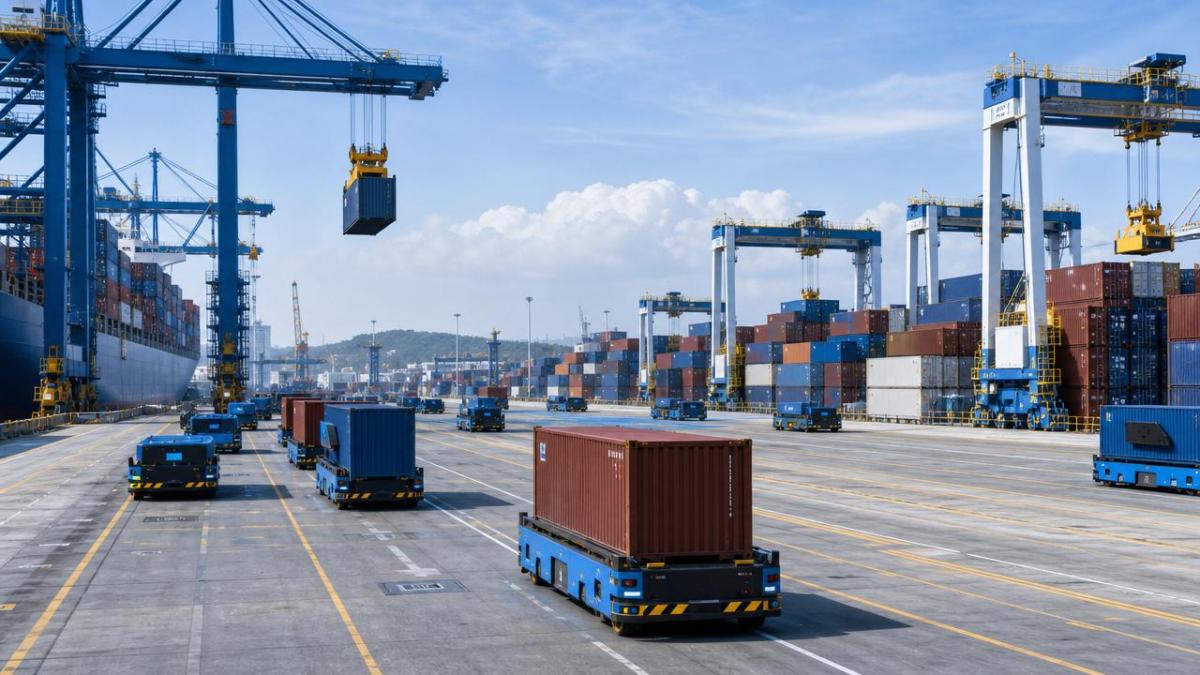
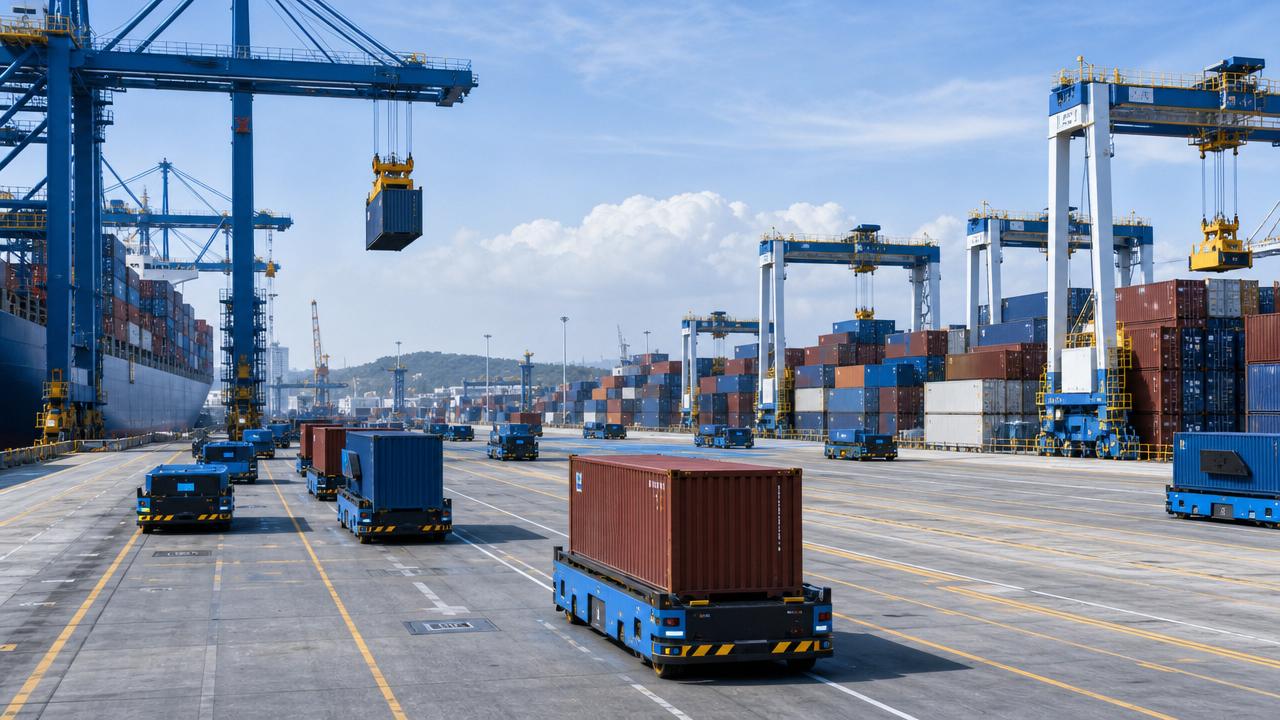
The first critical scenario appears during heavy vessel exchanges. Several STS cranes may discharge and load simultaneously, creating sharp transport pulses between berth and yard blocks.
In this setting, container terminal automation succeeds only if AGVs arrive in the right sequence. Too many vehicles in one lane create interference. Too few create crane waiting time.
A common mistake is using average demand assumptions. Quay operations are not average. They are burst-driven, sequence-sensitive, and vulnerable to short disruptions.
Core judgment points in this scenario include berth crane pairing, twin-lift rhythm, lane occupancy, and yard travel distance. If these variables are not modeled together, AGV bottlenecks quietly reduce crane net moves.
Signals that dispatch logic is hurting quay productivity
- STS cranes show frequent micro-waits despite enough AGVs on the fleet list.
- Idle AGVs accumulate in wrong zones while critical cranes queue for vehicles.
- Travel paths cross too often near transfer points or intersections.
- Empty repositioning grows faster than loaded transport volume.
In high-intensity berth windows, container terminal automation should prioritize dynamic dispatch over static zone allocation. The best systems constantly rebalance by crane priority, yard readiness, and congestion probability.
When battery charging overlaps with peaks, AGV availability drops at the worst moment
The second scenario appears in electric AGV fleets. Charging is often treated as a support function, yet in container terminal automation it directly shapes available transport capacity.
A fleet may seem sufficient in nameplate terms, but simultaneous charging windows can remove too many units during vessel peaks. That turns energy planning into a throughput problem.
This is especially risky in terminals handling large call sizes, tight berth schedules, or multiple service strings. Missed charging coordination creates cascading crane delays and yard imbalance.
What to check in charging-sensitive operations
- Whether charging triggers are based on battery level alone or also on forecasted workload.
- Whether chargers are located near low-conflict paths or in congestion-prone areas.
- Whether opportunity charging steals vehicles from upcoming crane waves.
- Whether battery health rules are reducing usable fleet flexibility.
Smart container terminal automation links charging strategy with vessel plans, estimated crane curves, and yard queue forecasts. A charging model that ignores operations will always create hidden AGV bottlenecks.
When yard handoff timing slips, the whole automated flow loses rhythm
The third scenario involves transfer coordination between AGVs and yard equipment such as ASC, ARMG, or automated stacking cranes. Many throughput losses begin here, not at the quay.
If yard cranes are busy, blocked, or sequenced differently from AGV arrivals, vehicles wait at handoff zones. The queue then spreads backward into travel lanes and crane service windows.
In container terminal automation, handoff reliability matters as much as travel speed. A fast AGV system cannot compensate for unstable transfer timing.
Typical causes of yard-side AGV bottlenecks
- Unbalanced block assignment increases travel time and queue density.
- Yard cranes process rehandles that disrupt planned arrival slots.
- Import and export flows compete for the same transfer resources.
- Exception handling is manual and too slow for automated recovery.
The practical fix is synchronized scheduling. Container terminal automation performs better when AGV dispatch, yard slot planning, and crane task release share the same time horizon.
Different terminal scenarios need different AGV bottleneck priorities
Not every terminal faces the same constraints. Layout, vessel mix, automation depth, and labor interface all change how AGV bottlenecks appear within container terminal automation.
This scenario view matters because container terminal automation should not be benchmarked only by vehicle count. It should be judged by how well the system fits actual operating patterns.
How to adapt container terminal automation before bottlenecks become expensive
Strong adaptation starts with measurable operating rules. Terminals should define acceptable crane wait, transfer dwell, charging overlap, and empty trip thresholds before launch.
Then simulation and live operations must be connected. Many container terminal automation projects rely on design-phase assumptions that are never recalibrated after commissioning.
Recommended adaptation actions
- Model vessel peaks with minute-level demand curves, not daily averages.
- Use dispatch rules that combine crane urgency, path congestion, and yard readiness.
- Separate charging logic for routine hours and peak berth windows.
- Design transfer buffers that absorb micro-variability without blocking lanes.
- Review empty move ratios weekly and reassign block strategies quickly.
- Build exception workflows for failed handoffs, blocked paths, and crane downtime.
For large marine infrastructure programs, this is where strategic intelligence becomes valuable. SOPS follows automated port cranes, fleet logic, and terminal energy decisions as connected system questions, not isolated equipment topics.
The most common misjudgments in AGV planning and performance reviews
One misjudgment is assuming more AGVs always improve throughput. In reality, excess fleet size can worsen congestion and amplify control inefficiency inside container terminal automation.
Another is measuring average cycle time without separating loaded travel, empty repositioning, queue delay, and charging loss. Aggregated metrics hide the real bottleneck.
A third misjudgment is treating yard and quay as independent systems. In automated terminals, AGV performance is a cross-domain indicator. Problems usually travel across interfaces.
Finally, many reviews ignore weather, vessel stowage variation, and service pattern changes. Container terminal automation must remain robust under changing marine operating conditions, not just ideal scenarios.
Next steps for improving throughput without overbuilding the fleet
If AGV bottlenecks are reducing productivity, start with a structured diagnosis. Compare crane waiting, transfer dwell, charging overlap, and empty trip intensity by shift and vessel window.
Then test targeted changes before expanding the fleet. In many cases, better dispatch sequencing, handoff control, or charging logic delivers more value than additional vehicles.
Container terminal automation creates the greatest return when it is tuned as a living operating system. Throughput protection depends on scenario-fit logic, not automation labels alone.
For deeper evaluation of automated port cranes, AGV flow constraints, and port-side decarbonized infrastructure strategy, SOPS provides intelligence that links marine engineering realities with long-term terminal performance decisions.
Last:NoneNext :NoneRecommended News
- May 22, 2026Dynamic Positioning Systems: Failure Modes That Disrupt Offshore WorkDynamic positioning systems fail in ways that can halt drilling, lifting, and subsea work fast. Learn the key failure modes, warning signs, and recovery priorities for safer offshore uptime.Author :

- May 22, 2026Container Terminal Automation: AGV Bottlenecks That Hurt ThroughputContainer terminal automation can underperform when AGV dispatch, charging, and yard handoffs fall out of sync. Learn the hidden bottlenecks hurting throughput and how to fix them.Author :

- May 22, 2026Port Container Cranes: RTG or RMG for Yard Expansion Projects?Port container cranes: compare RTG vs RMG for yard expansion. Learn which option improves density, automation readiness, energy efficiency, and long-term terminal ROI.Author :

- May 22, 2026Zero-Carbon Shipping: Which Vessel Investments Look Viable by 2026Zero-carbon shipping investment by 2026: discover which vessels look most viable, from methanol dual-fuel newbuilds to retrofit-led upgrades, and where compliance and returns may align.Author :

- May 22, 2026Ultra-Large Container Ships: Port Readiness Gaps to Fix in 2026Ultra-large container ships are exposing critical port readiness gaps for 2026. Discover where hubs, gateways, and green ports must upgrade now to stay competitive.Author :

- May 22, 2026Marine Propulsion Systems: Fuel Cost Tradeoffs in Newbuild PlanningMarine propulsion systems explained for newbuild finance planning: compare LNG, methanol, and diesel fuel cost tradeoffs, carbon risk, and long-term asset value.Author :

- May 22, 2026Ballast Water Management: 2026 Compliance Risks and Upgrade TimingBallast water management in 2026 brings higher compliance risk, retrofit pressure, and inspection exposure. Learn when to upgrade, cut downtime, and protect vessel performance.Author :

- May 22, 2026Offshore Drilling Platforms vs Semi-submersible Rigs in Harsh SeasOffshore drilling platforms vs semi-submersible rigs in harsh seas: compare uptime, safety, deepwater flexibility, and life-cycle cost to choose the best asset.Author :

- May 22, 2026Ship-to-Shore Cranes: How to Cut Vessel Turnaround DelaysShip-to-shore cranes are key to cutting vessel turnaround delays. Learn practical ways to improve cycle time, accuracy, safety, and berth productivity for faster port performance.Author :

- May 22, 20262026 LNG Carriers: Membrane Tank Choices and Boil-Off Loss ControlLNG carriers in 2026 demand smarter membrane tank choices and tighter boil-off loss control. Explore safety, efficiency, emissions, and lifecycle value in one practical guide.Author :